
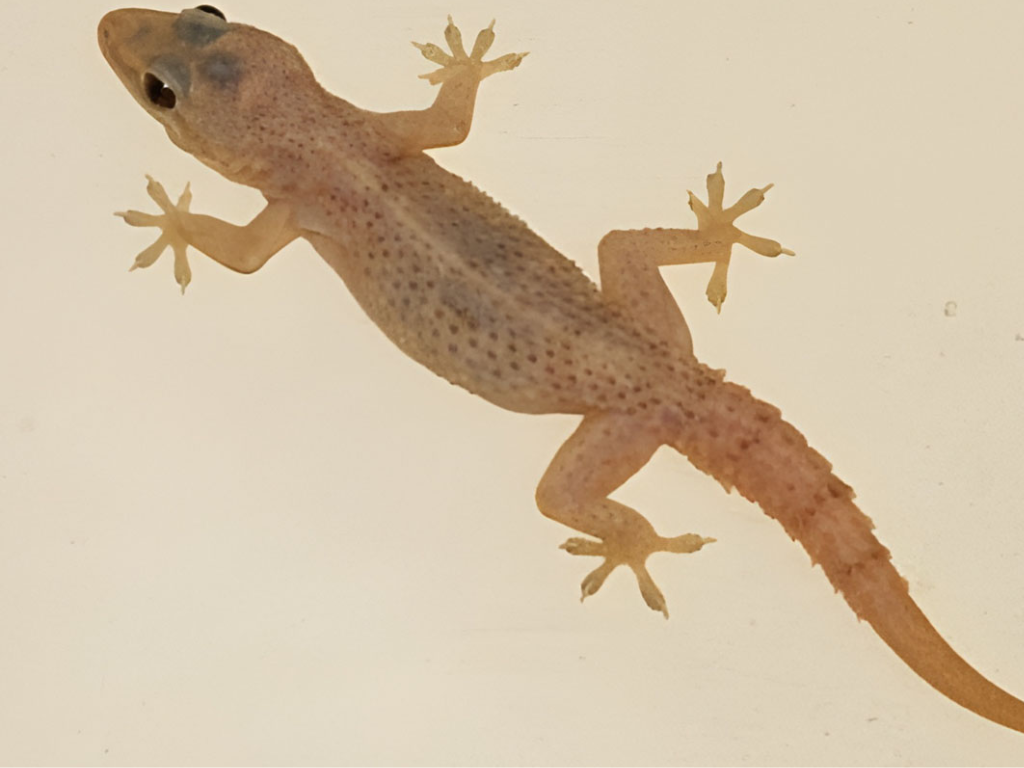
Why Are Geckos So Misunderstood?
Although their strange appearance or quick movements may sometimes cause unease, geckos pose no danger to humans. On the contrary, they play an essential ecological role as efficient predators of harmful insects.
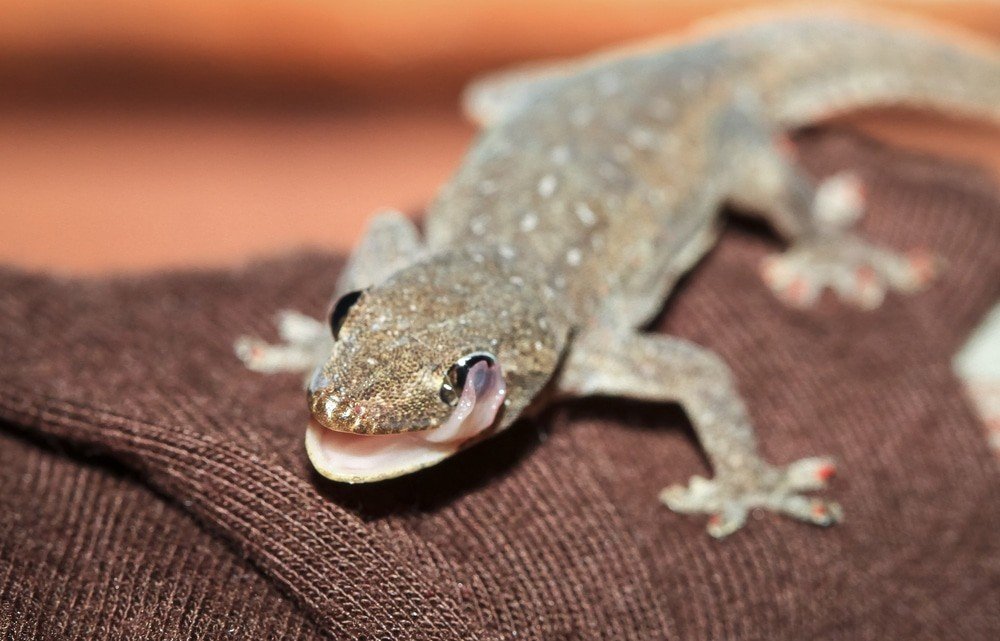
A Diverse Diet of Unwanted Insects
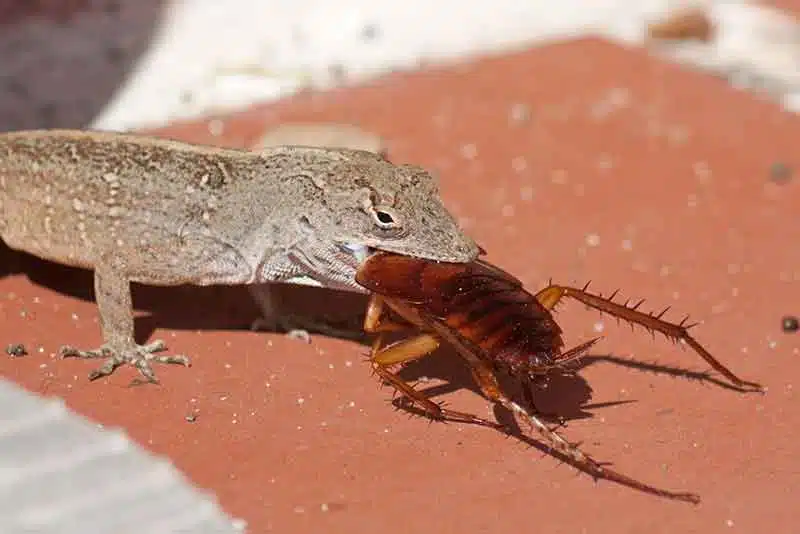
Geckos feed on a variety of insects that often invade your living spaces:
- Cockroaches: These insects are often difficult to eliminate, making them among the preferred prey of geckos.
- Moths and Flies: Abundant in many areas, these insects are also hunted by geckos, helping to limit their population growth.
- Spiders, Termites, and Wasps: All of these pests, which can cause material damage or unpleasant stings, are also kept in check by the presence of geckos.
By consuming these insects, geckos act as a natural shield against infestations in your environment.

A Beneficial Coexistence for Your Home
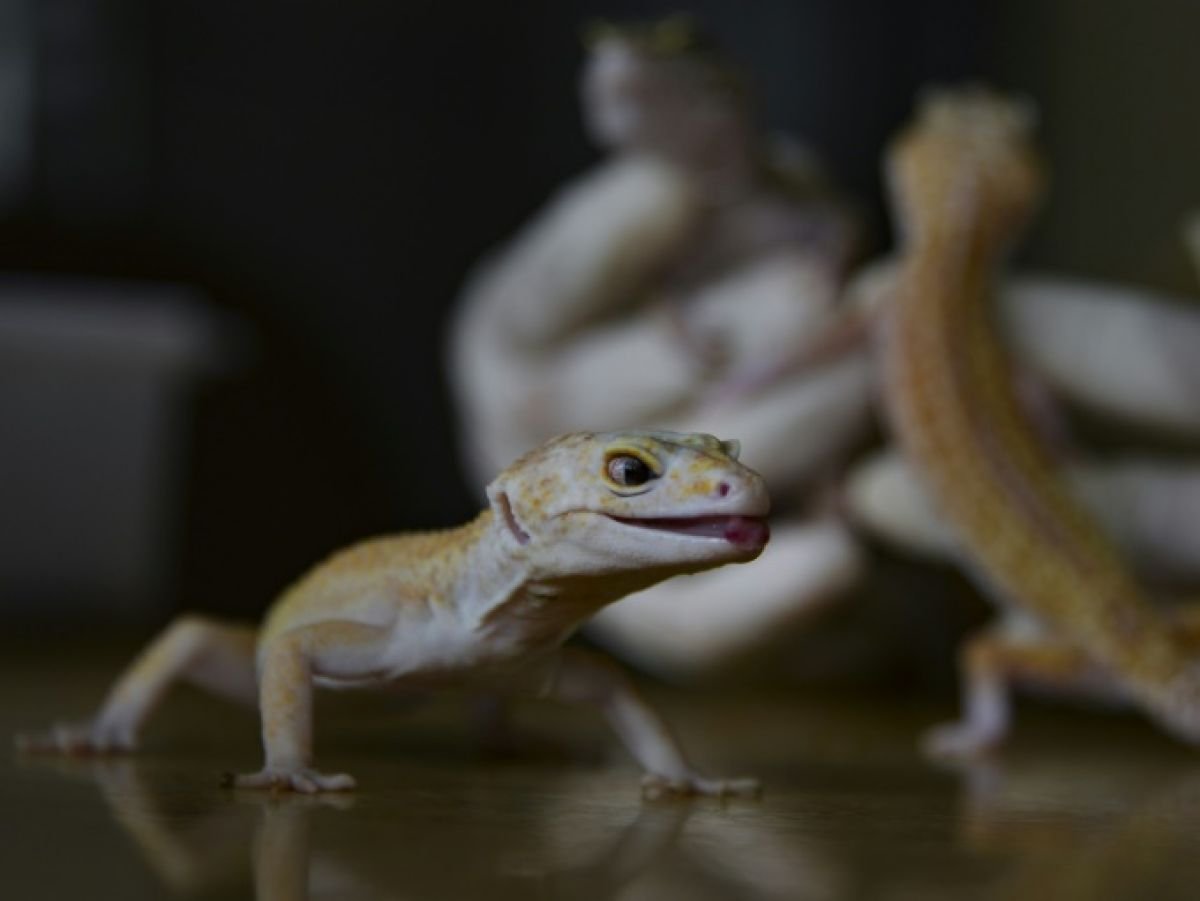
The presence of one or two geckos in your home can reduce the need for insecticides and other chemical products. Unlike these substances, geckos leave no toxic residues and pose no risk to human health.
How to Encourage Their Presence Without Overload
To fully enjoy the role of geckos as natural insect hunters without them becoming overwhelming:
- Avoid chasing them away unnecessarily: these reptiles typically do not stay in one place for very long.
- Reduce outdoor lighting: Lights attract insects, which in turn attract geckos. Limiting unnecessary light sources can help control their visits.
- Maintain a clean environment: This limits excessive insect proliferation and, consequently, the attraction for geckos.
A Perception That Needs Revising
Geckos are far from being pests. On the contrary, they are valuable allies in the daily fight against unwanted insects. The next time you see one, instead of chasing it away, consider it a discreet protector of your home.
