

Disrupted Digestion Before Bedtime

We have all indulged in a snack while watching television at some point, but certain foods can complicate the body’s nighttime digestion. Particularly rich, salty, or spicy dishes demand more effort from the body to be properly processed. As a result, it draws more water from its reserves, which may lead to a dry mouth sensation upon waking. Choosing a lighter snack in the evening can often transform this experience and ease discomfort.
An Overburdened Liver That Needs Care

During the night, the body switches to “cleaning” mode, eliminating toxins and waste products. When key organs such as the liver become overwhelmed, subtle signs may emerge—dry mouth can sometimes be one of them. There’s no need to search for complicated explanations: if this nocturnal sensation occurs frequently without any obvious cause, consulting a healthcare professional can help clarify the underlying issue.
Obvious Dehydration
This is the simplest, yet most common cause. Even if you believe you are drinking enough fluids, your body continuously loses water through respiration, heat, and daily activities. This process continues throughout the night. If your reserves are insufficient, your mouth will dry out. The key action is to stay hydrated consistently throughout the day, rather than only drinking before bedtime.
Reevaluating Oral Hygiene

If evening oral care is neglected, certain bacteria can proliferate during sleep. While not immediately alarming, this bacterial imbalance can dry out the mouth’s cavity. Careful brushing, combined with flossing and regular visits to the dentist, often significantly improve this condition.
Blood Sugar Fluctuations More Common Than You Think

Some people notice that their mouth tends to become drier during periods of greater blood sugar fluctuations. To restore balance, the body expels more fluid than usual, which can cause this nighttime dryness. A balanced dinner helps limit these variations and supports proper hydration maintenance.
Subtle Acid Reflux
Sometimes, mild gastric reflux can occur during the night, irritating the mouth or throat. This phenomenon may be accompanied by a sensation of heaviness after eating or less restful nights. Usually, eating a lighter meal earlier in the evening is enough to reduce these discomforts significantly.
A Slight Rise in Body Temperature
When fever, even a mild one, arises, the body mobilizes more water to regulate its temperature. This natural mechanism can quickly dry out the mouth. During these times, rest, generous hydration, and a cool room environment are the best allies for restoring balance.
Increased Hormonal Activity
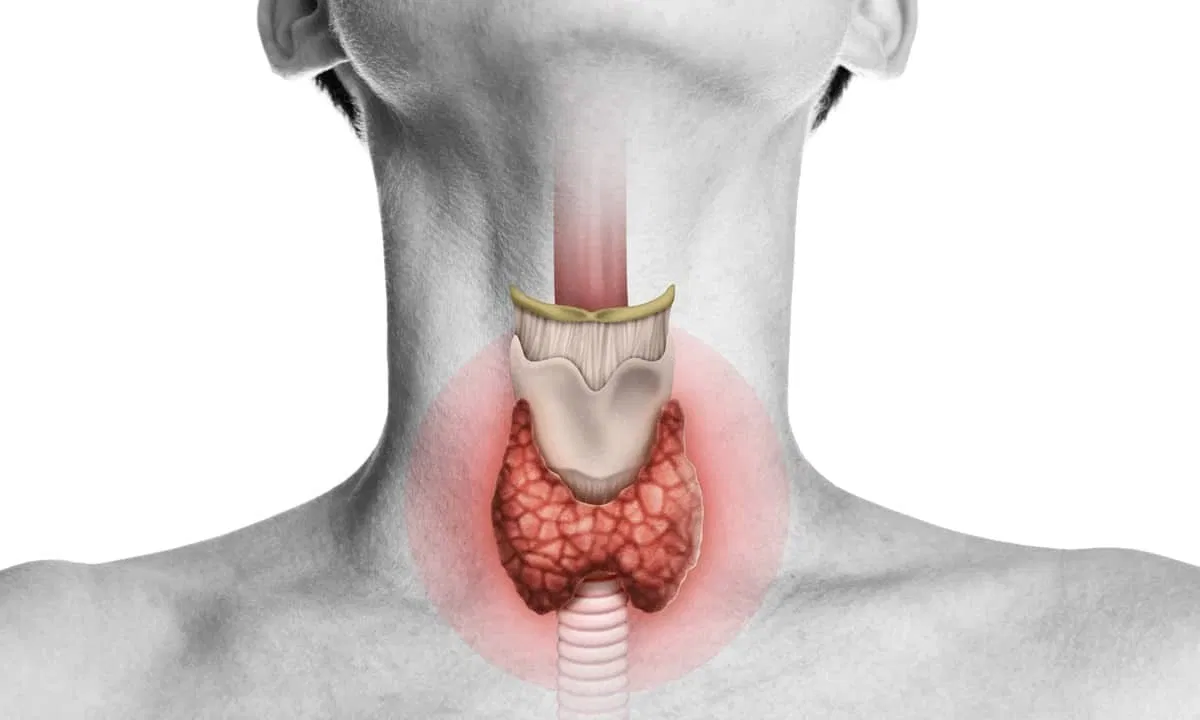
Stress, hormonal fluctuations, or fatigue can accelerate metabolism. The body then works more intensely, consumes more resources, and demands more water, even at night. There is no cause for concern: a few adjustments to your daily routine often suffice to regain a comfortable, well-hydrated mouth sensation.
Conclusion
Waking up with a dry mouth is generally not worrisome but can be a sign that your body requires some adjustments: better hydration, lighter meals, improved oral hygiene, or simply a calmer lifestyle pace. If this discomfort persists, consulting a healthcare professional remains the best option to understand what your body is trying to communicate.
Sometimes, simply paying attention to these small signals is enough to take better care of yourself. With a few simple habits, you can restore optimal nocturnal comfort and natural hydration throughout the night.
