
Many people are unaware that certain signs of blood sugar imbalance can manifest during the night. These often subtle symptoms disrupt your sleep without you really suspecting them. However, recognizing them early could significantly improve your well-being. But what exactly happens in the body of a person whose blood sugar is unstable during sleep?

Frequent trips to the bathroom during the night?
If your nights are interrupted by frequent bathroom visits, don’t simply attribute it to a basic urinary issue. High blood sugar levels force the kidneys to work harder to eliminate excess glucose, leading to abundant urine production at night. This phenomenon, known as polyuria, is often one of the earliest indicators of diabetes.
Excessive night sweats?
Sweating during sleep is often attributed to menopause or stress, but it can also be a sign of nocturnal hypoglycemia. When blood sugar drops significantly, the body releases adrenaline in response, causing excessive sweating. If you notice this happening regularly, it is important to monitor the underlying causes.


Are you waking up from sudden hunger or palpitations?
When blood sugar suddenly drops, it can cause tremors, uncontrollable cravings, episodes of confusion, or sudden anxiety. These symptoms, which may wake you from sleep, indicate a blood sugar imbalance that should not be overlooked.
An uncontrollable urge to move your legs?
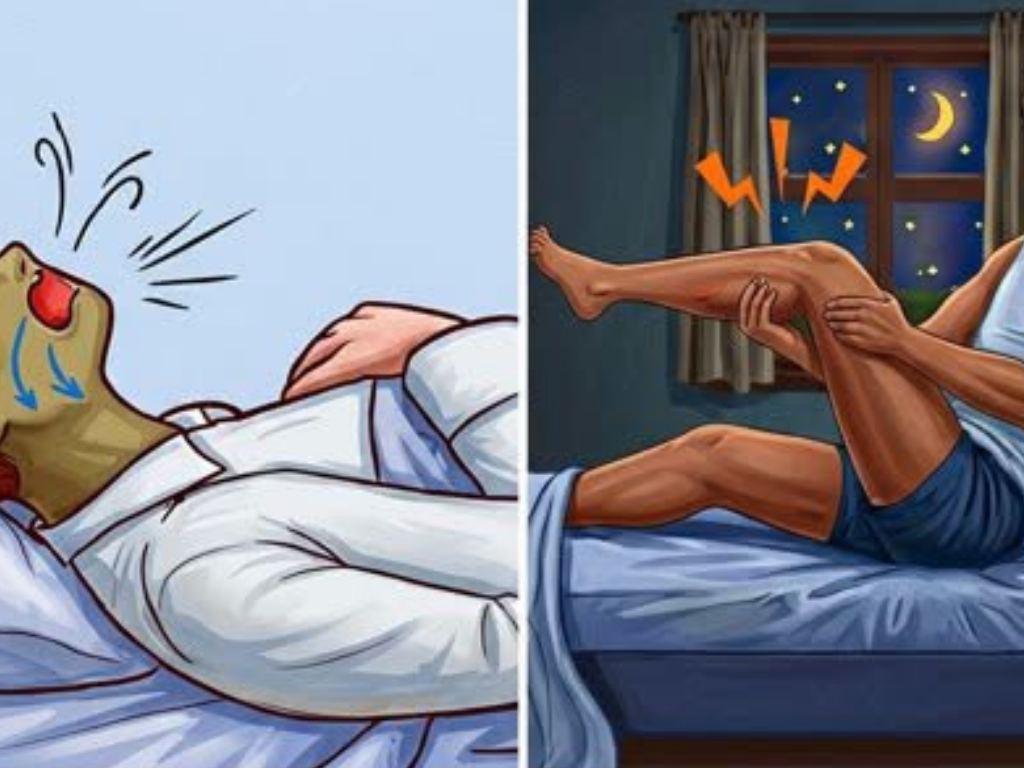
Restless leg syndrome is sometimes linked to diabetic neuropathy, which refers to nerve damage resulting from poor blood sugar control. Sensations of tingling, muscle tension, or pins and needles can disrupt falling asleep and fragment sleep, making nights particularly difficult.
Do you snore or experience breathing pauses during sleep?
Sleep apnea, often underestimated, is frequently observed in people with type 2 diabetes. This disorder primarily affects individuals who are overweight or obese, who are also more prone to insulin resistance. Disrupted sleep worsens metabolic imbalance, fueling a vicious cycle that is hard to break.

Does intense thirst wake you up at night?
Severe thirst accompanied by dry mouth upon waking should not be taken lightly. It often reflects dehydration caused by excess sugar in the blood. To compensate for the excessive water loss linked to abundant urination, the body triggers an urgent need to drink, a phenomenon known as polydipsia.
Do you feel tired despite a full night’s sleep?
Persistent fatigue can indicate poor glucose utilization by the cells, depriving the body of an essential energy source. The result is a feeling of not being rested despite eight hours of sleep. This fatigue upon waking is a warning sign that should not be ignored.
Dry mouth upon waking: a symptom to watch
Xerostomia, or dry mouth, is a common symptom among people with diabetes. It can cause frequent nighttime awakenings and, if left untreated, promote the development of cavities or infections in the mouth. This dryness typically results from insufficient hydration and elevated blood sugar levels.
Often restless or fragmented sleep?
Insomnia, repeated awakenings, and non-restorative sleep can all be linked to nocturnal blood sugar fluctuations. These variations prevent the body from achieving full rest, consequently affecting mood, concentration, and energy levels the next morning.
Why these nighttime signals deserve your full attention
Diabetes is often a silent disease, with signs that may appear long before an official diagnosis. Paying close attention to the quality of your sleep can help detect a subtle metabolic imbalance. Regular medical monitoring, a balanced diet, appropriate physical activity, and good lifestyle habits remain essential pillars for effectively preventing and managing this disease. If several of these signs resonate with you, do not hesitate to consult a healthcare professional.
