
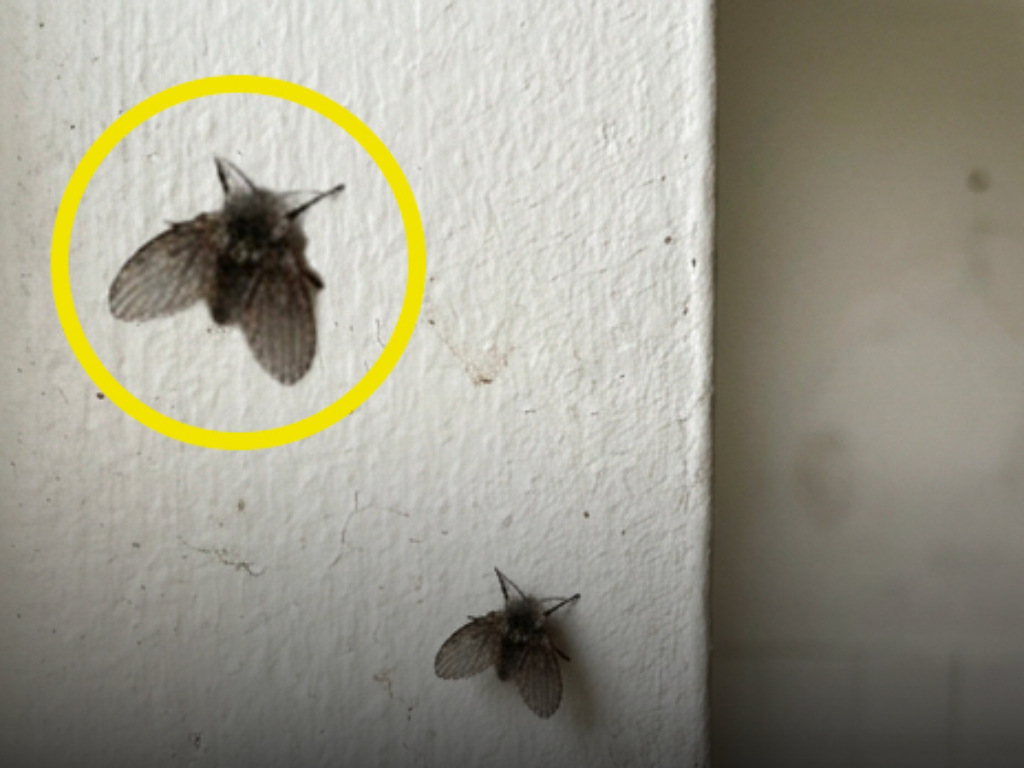
Have you ever noticed tiny flies buzzing around your shower or sink without really understanding where they come from? These subtle insects do not appear by chance. Their presence often signals a deeper issue tied to the plumbing or ambient moisture in your bathroom. Before resorting to harsh treatments, it is crucial to understand what their appearance reveals and how to eliminate them sustainably.
Reasons for the Presence of Flies in the Bathroom
Drain flies frequently appear indoors without warning. Contrary to common belief, these insects do not simply enter from outside by accident. They primarily develop within pipes, where moisture and organic matter foster their reproduction. A simple daily routine, such as taking a shower, can create an environment perfectly suited for their proliferation, especially if pipe maintenance is neglected. The combined effect of warmth and persistent humidity significantly increases the risk of seeing them appear.
Warning Signs Not to Ignore
Even before you clearly see them, certain clues should grab your attention. Among the most common are tiny insects resting on walls near sinks or shower drains. A slightly unpleasant odor or slow water drainage can also indicate their presence. These signs often point to a problem located within the pipes, far beneath the visible surface. Sometimes, a higher number of flies can be noticed in rooms used less frequently, where stagnant water facilitates their growth.
Underlying Causes in the Pipes
The real issue almost always stems from an accumulation of residues inside the conduits. Hair, soap, grease, and moisture combine to form a sticky film ideal for larvae development. Even a bathroom that appears clean can harbor these invisible deposits. Stagnant water and insufficient ventilation worsen the situation.
The more these residues build up, the faster the insects multiply. In older homes, imperfections in pipe structure further encourage the retention of these deposits, making the problem harder to eradicate.

Methods for Sustainable Removal
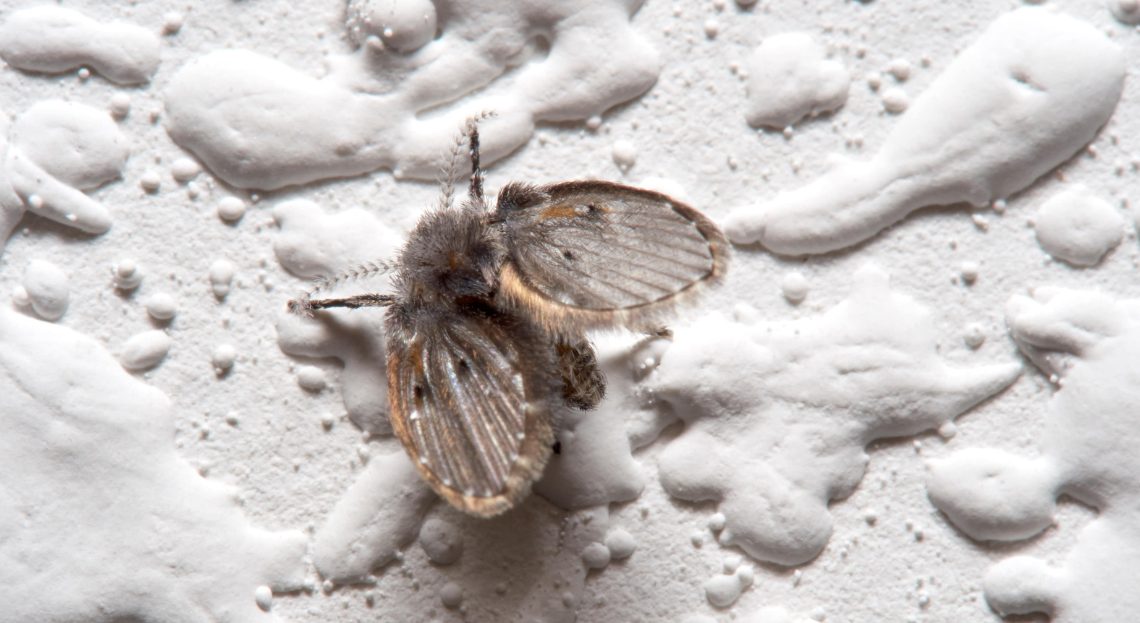
To effectively eradicate drain flies, a simple insecticide spray is not enough. It is essential to address the source of the problem, meaning inside the pipes. Start by manually removing visible debris such as hair and other residues. Then clean the inside of the pipes with an appropriate brush to dislodge embedded deposits.
Using hot water can be helpful, though it must be applied cautiously depending on the nature of your installations. Enzymatic products offer a particularly effective solution as they break down organic matter without damaging the pipes. At the same time, setting up vinegar traps can help temporarily reduce the adult fly population, but without thorough cleaning, they will inevitably return.
It is also advisable to repeat these steps over several days to target larvae at different stages of their development. Consistency is the key to achieving long-lasting elimination.
Adopting Daily Preventive Measures
Prevention remains essential to keep these flies from coming back. Good ventilation limits humidity, thus slowing their development. Wiping surfaces after a shower, allowing air to circulate freely, and regularly checking the drains are simple yet effective habits.
Regular pipe maintenance prevents the buildup of deposits. A monthly cleaning is often enough to maintain a healthy bathroom and prevent any recurrence. Monitoring unpleasant odors and slow water drainage also helps intervene quickly before the situation worsens.
In homes particularly prone to this problem, a deep cleaning each season change can help avoid any resurgence.
By incorporating these simple practices into your routine, you can keep your bathroom clean and sustainably prevent the return of these unwelcome insects over the long term.
