
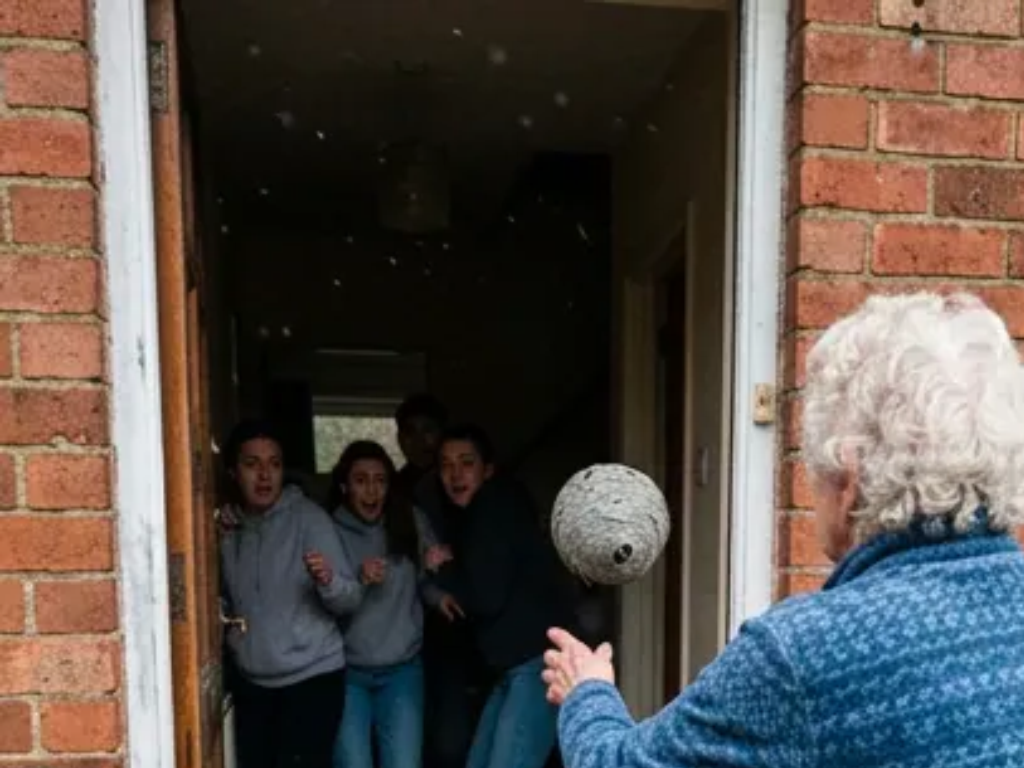
In the Barcelona region, an unexpected story recently captured widespread attention. A 78-year-old retiree, returning from vacation, discovered her home had been overtaken by squatters. Confronted with this troubling situation, she chose an extreme solution in an attempt to reclaim her residence. This incident, which occurred in Sant Martí de Tous, raises significant questions about squatting and the limits of individual responses to such intrusions.
A Vacation Return Shadowed by a Shocking Surprise
When this resident of Sant Martí de Tous, in Barcelona province, came back from her trip, she was met with the unfortunate discovery that her home had been occupied. According to initial reports, several individuals entered the house, changed the locks, and temporarily settled inside. For this long-standing resident, this revelation was a deeply emotional shock, evoking a profound sense of loss in a place filled with family memories. Upon her return, she also noticed some personal belongings had been moved, which added to her distress. Multiple neighbors had noticed unusual activity during her absence but were unable to intervene in time.
An Extreme Reaction That Sparks Controversy

In response to this intrusion, the septuagenarian decided to use a wasp nest found near her garden to try to drive out the squatters. According to local press, she threw the nest through an open window, causing a chaotic panic inside the house that forced the occupants to flee rapidly. This unexpected act sparked a heated debate, divided between those who understood the owner’s emotional distress and those condemning the method as dangerous. The retiree explained that she acted impulsively, driven by the intense emotion of facing what she viewed as an unjust and unacceptable situation.
A Complex Legal Framework Surrounding Squatting in Spain
This case highlights a thorny legal problem related to illegal occupation of homes in Spain. In certain situations, especially when the property is a secondary residence or administrative procedures are underway, evictions can stretch over several weeks or even months, causing great frustration for owners. This administrative delay intensifies their feeling of powerlessness, particularly when the property holds strong emotional value. Local authorities emphasize that each case must be evaluated individually, as procedures vary depending on the nature of the property and the legal qualification of the occupation. A rapid judicial intervention may be considered but depends on multiple administrative and legal criteria.

Between Deep Emotion, Tensions, and Public Debate
Beyond this individual incident, the situation reignites the broader debate over squatting and the means available to property owners to regain possession of their assets. While some sympathize with the retiree’s distress, others stress the importance of respecting the law and avoiding personal actions that could lead to dangerous consequences. Authorities encourage legal proceedings and mediation as means to resolve these conflicts without violence or escalation and highlight the importance of prevention to avoid illegal occupation. This case also brings to light the complexity and duration of legal processes, often seen as unsatisfactory by property owners. Associations advocating for owners regularly call for simpler procedures to improve protection for legitimate property holders.
Conclusion: Favoring Regulated and Legal Solutions
In situations like this, experts recommend prioritizing legally regulated solutions and avoiding actions that could inflame tensions or cause accidents. They stress the importance of dialogue, legal support, and amicable solutions to restore normalcy. These approaches often enable a resolution in the best possible conditions for all parties involved, avoiding unnecessary risks or incidents.
