
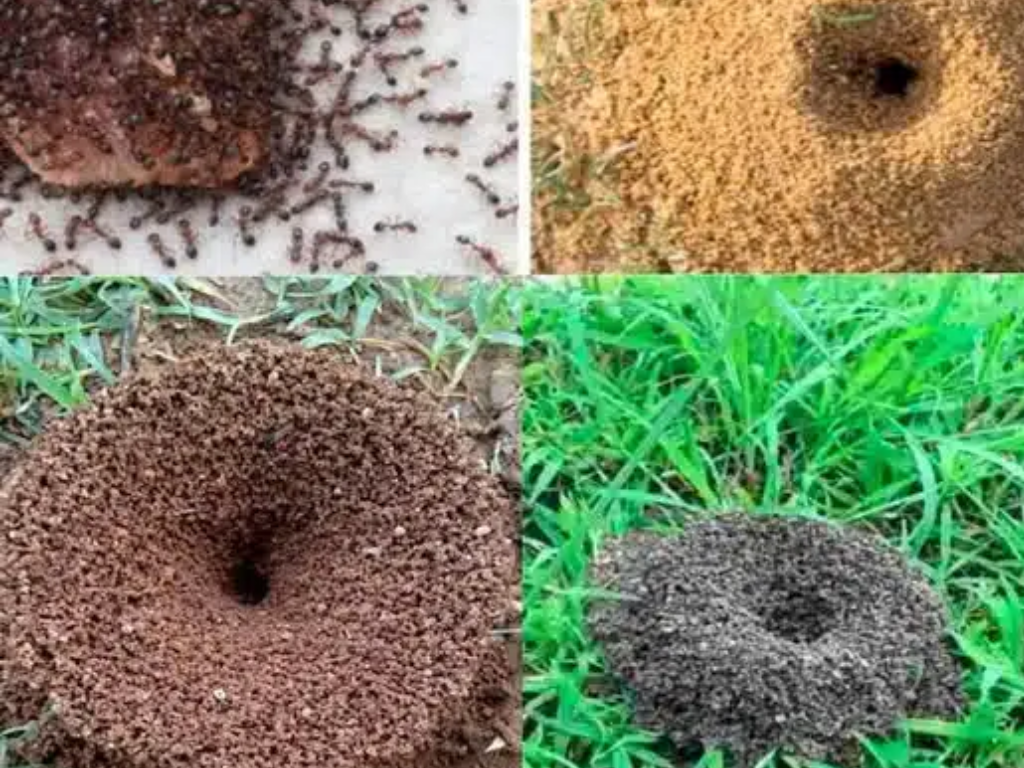
Why Are Ants Invading Your Garden?

Ants, although essential to ecological balance, can quickly become a real nuisance when they appear in large numbers in your garden. Their presence is mainly due to their attraction to food scraps, organic waste, or plants infested with aphids, as they particularly feed on the honeydew secreted by these pests.
A Sign of a Healthy Soil
The presence of ants often indicates the vitality and fertility of your soil. By digging their tunnels, they aerate the earth, promoting the circulation of water and nutrients essential for plant growth.
Key Players in Biodiversity
At the heart of your garden, ants play a crucial ecological role. They actively contribute to the decomposition of organic matter, regulate certain harmful insects, and even assist in the pollination of some flowers during their movements.
Aphid Presence and Honeydew: A Close Connection
An invasion of ants on your plants is often a sign that they maintain colonies of aphids to harvest honeydew, the sweet substance they love. This phenomenon should alert you to a possible parasitic infestation requiring appropriate intervention.

In Search of Food or Shelter
Besides honeydew, ants are attracted by the presence of food or shelter. A garden where organic waste, damp wood, or fallen fruits accumulate provides an ideal environment for them to establish their nest.
An Ecological Warning Signal
Excessive proliferation of ants may reveal an imbalance in your garden: lack of natural predators, low plant diversity, or conditions particularly favorable to their multiplication.
Eco-Friendly and Economical Recipe Against Ants
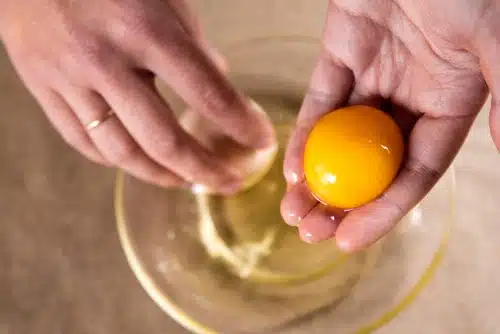
Here is a simple and effective homemade solution that respects the environment while being very affordable, as its preparation costs less than 20 cents.
Ingredients:
2 hard-boiled egg yolks
½ teaspoon of honey
1 teaspoon of boric acid powder (available at pharmacies or hardware stores)
Preparation:
Finely mash the hard-boiled egg yolks until you get a smooth puree.
Incorporate the honey and boric acid powder.
Mix thoroughly to obtain a well-unified paste.
Instructions for use:
Place small amounts of this mixture near the ant hills or on the trails frequented by the ants. Attracted by the scent, they will carry the mixture back to their nest. Once ingested, the paste will cause their gradual death by dehydration.
Warning: Keep this mixture out of reach of children and pets.
Other Effective Natural Remedies to Repel Ants

If you prefer even simpler methods, here are some natural alternatives that can also help you keep ants away:
Bay Leaves
Place bay leaves near entry points in your house or around infested plants. Their strong scent acts as a natural repellent, deterring ants from these areas.
Cinnamon or Black Pepper
Sprinkling a bit of cinnamon or black pepper on the usual ant paths disrupts their sense of direction. These spices are particularly unsettling for these insects.
Baking Soda and Sugar Mixture
Mix baking soda and sugar in equal amounts, then deposit it near ant hills. Attracted by the sugar, ants will consume this mixture, which will be fatal to them.
Mint, Cornstarch, or Talc
These powders create genuine natural barriers. Ants, bothered by these substances sticking to their legs, will avoid crossing these obstacles.
Why Choose Natural Methods?
Adopting these homemade tips means avoiding the use of chemical products that could harm beneficial insects, your plants, and your own health. Moreover, these remedies are both economical and easy to implement from ingredients generally already available in your home.
So, why not try these natural solutions today? With a bit of patience and consistency, you will have a garden free of ants while respecting the richness of nature.
