
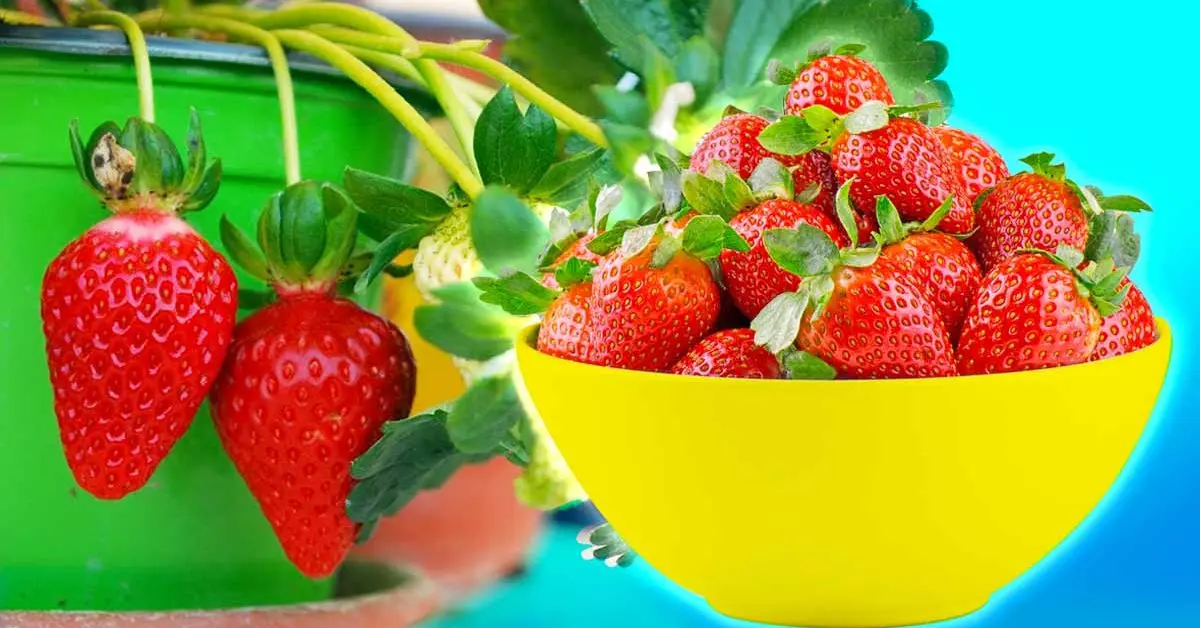
Maximizing Strawberry Yield: 5 Effective Tips
The strawberry plant, a perennial fruit shrub with semi-evergreen foliage, is prized for its deliciously sweet and tangy fruits. Surprisingly, strawberries have a higher vitamin C content than oranges and are also low in calories, rich in health-beneficial minerals. Here are five effective tips to enhance the yield of strawberry plants for a bountiful harvest.
Strawberry Cultivation: Easy Maintenance for Generous Harvest
The strawberry plant is not only easy to maintain but also known for its aromatic properties, enhancing desserts and sorbets. To achieve a generous harvest, certain measures are essential.
How to Boost Strawberry Plant Yield

To increase the yield of strawberries grown outdoors, these five factors should be considered:
1. Choosing the Right Strawberry Variety
The yield depends on the variety of strawberry. Everbearing strawberries can produce fruit each year between June and July, followed by a smaller harvest from mid-August, even during hot periods. These plants can bear fruit for about five years. In contrast, non-everbearing strawberries have a shorter fruiting period, typically from mid-May to late June.

2. Preparing the Soil Before Planting
Proper soil preparation is crucial for healthy growth and fruiting. Strawberries prefer a soft, deep soil that stays cool in summer, along with good drainage and a light texture. It’s recommended to work the soil to a depth of 30 cm, making it more pliable and airy, which aids in water, air, and microorganism penetration. A rich soil is preferred, so incorporating organic manure, which is high in nitrogen and carbon, is advisable. Note that large-fruited varieties thrive in sunny spots, while four-season strawberries prefer partial shade. Also, be mindful of soil pH, as limestone soil can lead to chlorosis, causing yellowing of leaves.

3. Mulching Strawberry Plants
Mulching protects strawberries from mold, deters slugs, and helps maintain soil moisture, reducing the need for frequent watering. It also limits weed growth, which competes for nutrients and can transmit diseases and pests like aphids to the plants.
4. Watering and Fertilizing Strawberries
Since strawberry roots are shallow, it’s best to water them in small amounts daily, especially during hot weather. Avoid overwatering, which can suffocate the roots, and refrain from watering the fruits directly to prevent rot. Fertilization is crucial for boosting fruit production. Ideally, use a natural fertilizer, preferably rich in potassium, to stimulate fruit growth.

5. Pruning Strawberry Plants
Pruning stimulates flowering, fruiting, vigor, and disease resistance. Regular pruning is essential to increase fruit production. Remove leaves from mature bushes, as they can hinder fruit development. Also, trim skinny bushes with no fruits and plants lacking berries.
The Best Natural Fertilizer for Strawberries
Gardeners often regard nettle manure as one of the best natural fertilizers to enrich the soil and stimulate strawberry growth.
By considering these five factors, you can successfully cultivate strawberries and significantly enhance their yield, leading to a plentiful harvest of delicious fruits.
