
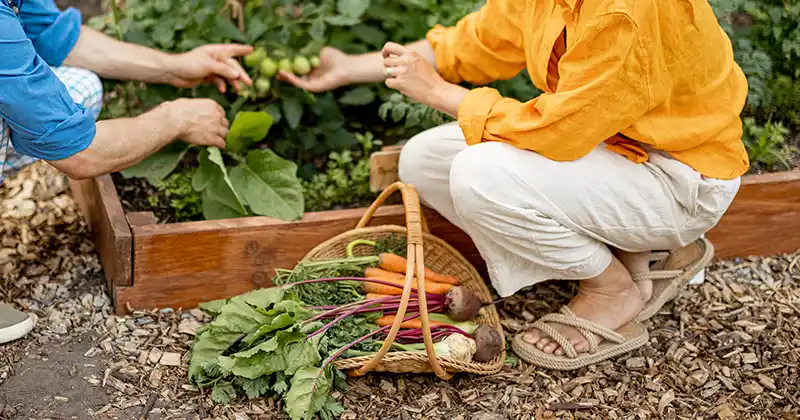
Gardening is far more than just a simple pastime: it’s a rewarding activity that nourishes both the plants and the gardener’s soul. Whether you have a large garden, a cozy balcony, or merely a flowery windowsill, a few well-thought-out tips can transform the way you garden. These straightforward and effective techniques will help you strengthen your plants’ health, optimize their growth, and keep pests at bay while avoiding synthetic chemical products. Discover 15 ingenious methods to help your garden thrive.
1. Stimulate Root Health with Rice Water
How to use: After rinsing your rice, keep the nutrient-rich water, let it cool, then water your plants with it once a week. Why it works: Rice water contains essential minerals and amino acids that strengthen roots, improve soil quality, and encourage the proliferation of beneficial bacteria that help plants better absorb nutrients.
2. Strengthen Your Plants with Crushed Eggshells
How to use: Rinse, dry, and grind eggshells into a fine powder. Sprinkle it around your plants or incorporate it directly into the soil. Why it works: Eggshells provide a rich source of calcium, necessary for strong cell walls, and help prevent the rotting of tomato and pepper tips.
3. Revive Wilted Plants with Hydrogen Peroxide
How to use: Dilute one part of 3% hydrogen peroxide in ten parts water and apply this mixture to the soil once a month. Why it works: This oxygenated solution aerates the soil, combats root rot, and eliminates harmful fungi, offering a second chance to weakened plants.
4. Enrich Your Soil with Banana Peels
How to use: Cut banana peels into small pieces and bury them at the base of your plants. Why it works: As they decompose, banana peels release essential nutrients like potassium, phosphorus, and calcium, promoting vigorous growth and vibrant blooms.

5. Improve Acidic Soil Plants with Coffee Grounds
How to use: Scatter used coffee grounds around plants such as blueberries, azaleas, or roses, or mix them into the soil. Why it works: Coffee grounds supply nitrogen, improve soil texture, and slightly acidify the soil—ideal conditions for these species.
6. Achieve Lush Foliage with Epsom Salt
How to use: Dissolve one tablespoon of Epsom salt in one liter of water and water your plants with this solution once a month. Why it works: Epsom salt provides magnesium, a key element for photosynthesis, which encourages greener, healthier leaves.
7. Prevent Fungal Diseases with Cinnamon
How to use: Sprinkle powdered cinnamon around young plants and on the soil surface. Why it works: Cinnamon has natural antifungal properties that protect seedlings from diseases like damping off, ensuring healthier growth.
8. Fight Powdery Mildew with a Milk Spray
How to use: Mix one part milk with two parts water and spray this solution onto affected plants. Why it works: Milk contains natural antifungal compounds that prevent and treat powdery mildew, protecting leaves from fungal infections.
9. Boost Plant Resistance with Aspirin Water
How to use: Dissolve one aspirin tablet in one liter of water and water your plants with this mixture every three weeks. Why it works: The salicylic acid in aspirin stimulates the plants’ immune defenses, enhancing their resistance to diseases and environmental stress.
10. Eliminate Weeds with Vinegar
How to use: Spray undiluted white vinegar directly on weeds, carefully avoiding desirable plants. Why it works: The high acidity of vinegar dehydrates weeds, killing them naturally and providing an eco-friendly alternative to chemical herbicides.
11. Encourage Rooting of Cuttings with Honey
How to use: Dip your cuttings in honey before planting them in soil. Why it works: Honey acts as a natural rooting hormone, preventing fungal infections and promoting the development of strong roots.
12. Attract and Trap Slugs with Beer
How to use: Bury a shallow container up to its rim near your plants and fill it with beer. Why it works: Slugs are attracted to the yeast in beer, fall into the trap, and cannot escape, effectively reducing their population.
13. Attract Beneficial Insects with Sweetened Water
How to use: Dissolve two tablespoons of sugar in one liter of water and spray this solution on plants infested with aphids. Why it works: The sweetened water attracts beneficial insects such as ladybugs, which naturally feed on aphids, thus controlling infestations.
14. Protect Seedlings with Chamomile Infusion
How to use: Prepare a chamomile infusion, let it cool, then water your seedlings with it. Why it works: Chamomile has antifungal properties that prevent damping off—a common problem that causes young plants to perish.
15. Make Tomatoes Sweeter with Baking Soda
How to use: Lightly sprinkle baking soda around the base of tomato plants. Why it works: Baking soda reduces soil acidity, limiting the uptake of acidic compounds by the plant, resulting naturally in sweeter tomatoes.
Gardening doesn’t have to be complicated: often, the simplest tips yield the best results. These natural, easy-to-implement solutions will help you improve your garden’s productivity while avoiding harmful chemical products. Try these tips and enjoy a healthy, thriving garden with minimal effort. Happy gardening!
Excited by these tips? Share this article with your loved ones!
