
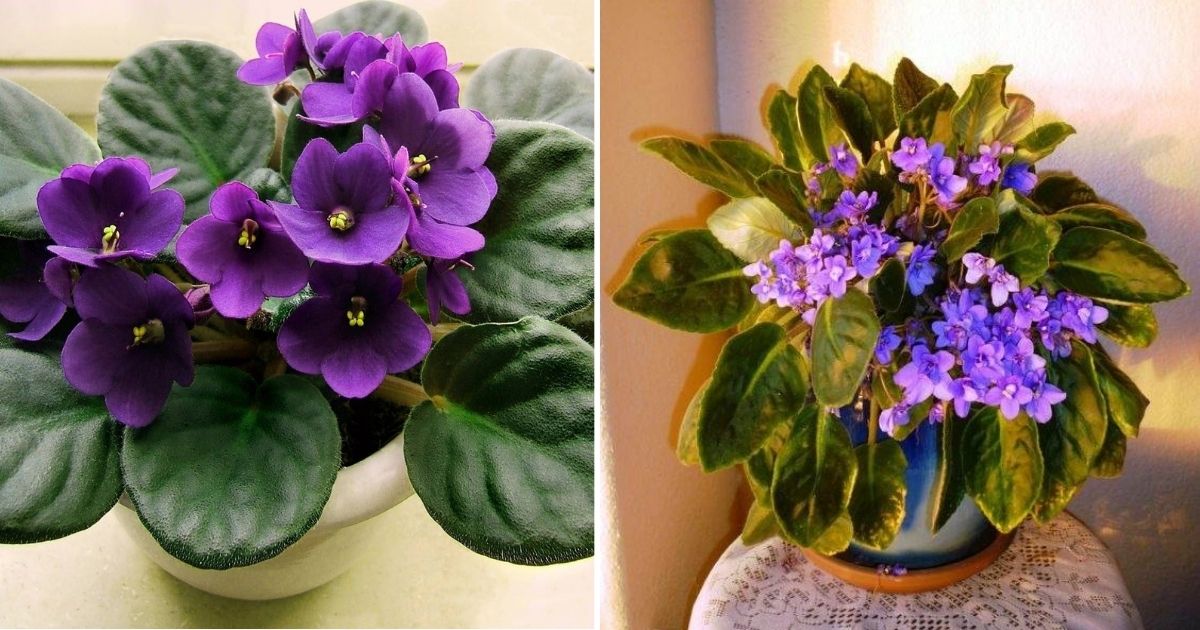
How to Keep African Violets Blooming All Year Long
African violets are beloved for their vibrant colors and delicate, velvety petals. With the right care, these charming houseplants can bloom continuously and brighten your home throughout the year. While they are relatively easy to grow, consistent flowering depends on meeting a few essential care requirements.
Below, you’ll find practical and effective tips to help your African violets thrive and produce beautiful blooms all year long.
1. Provide Bright, Indirect Light
African violets flourish in bright, indirect sunlight. Place them near a north- or east-facing window where they receive gentle light without being exposed to harsh rays. Rotating the plant occasionally helps ensure even growth and balanced blooming.
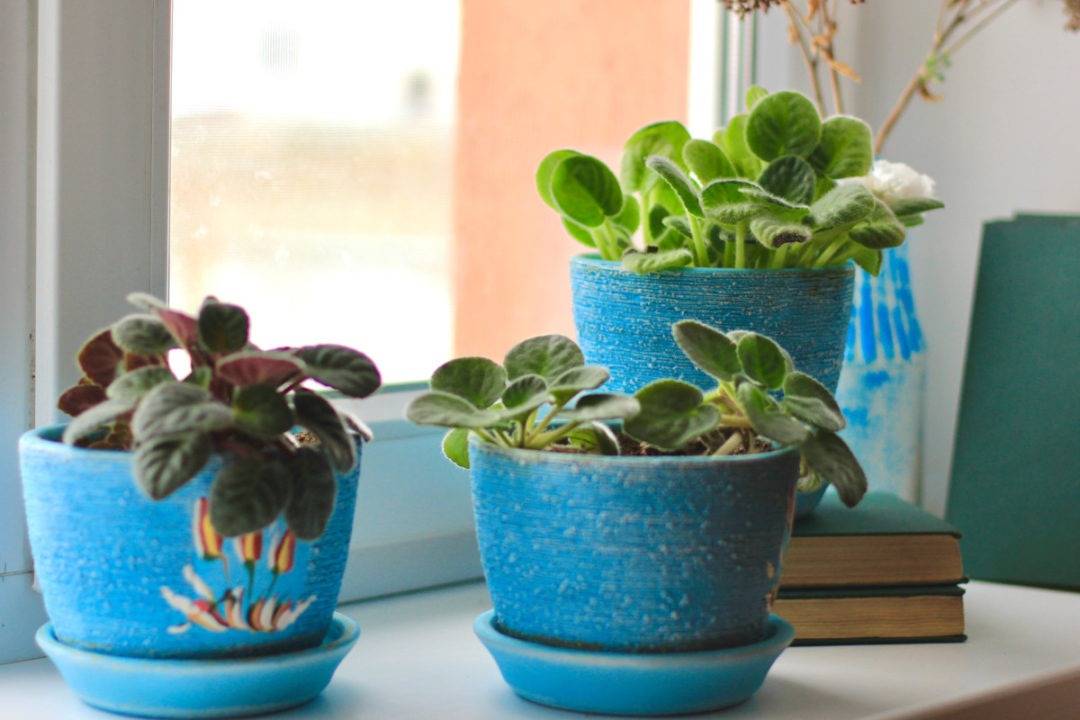
2. Maintain a Stable Temperature
Keep your plants in a comfortable environment with temperatures between 65–75°F (18–24°C). Avoid sudden temperature changes, cold drafts, or placing them near chilly windows, as these conditions can stress the plant and reduce flowering.

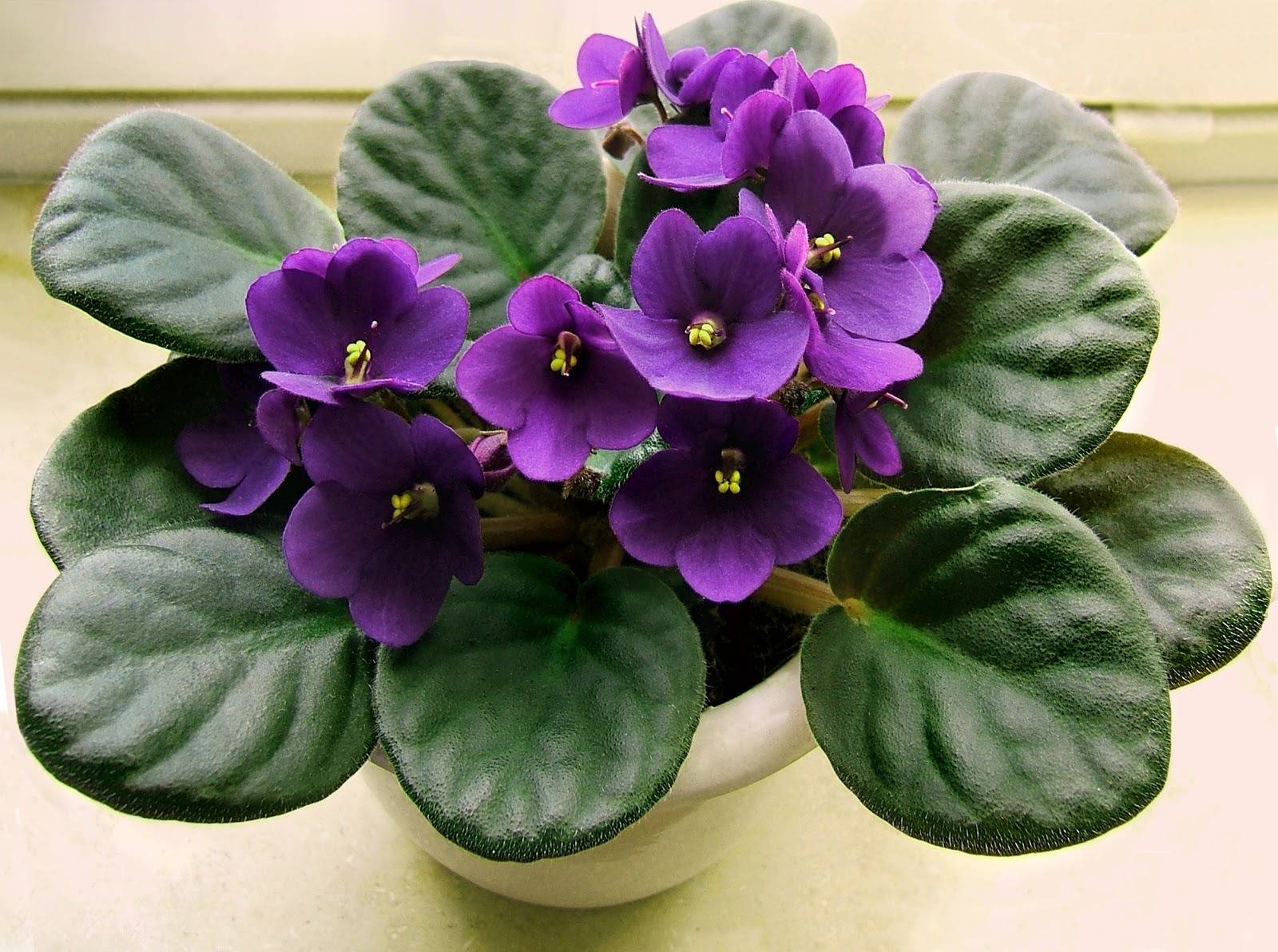
3. Water Carefully and Consistently
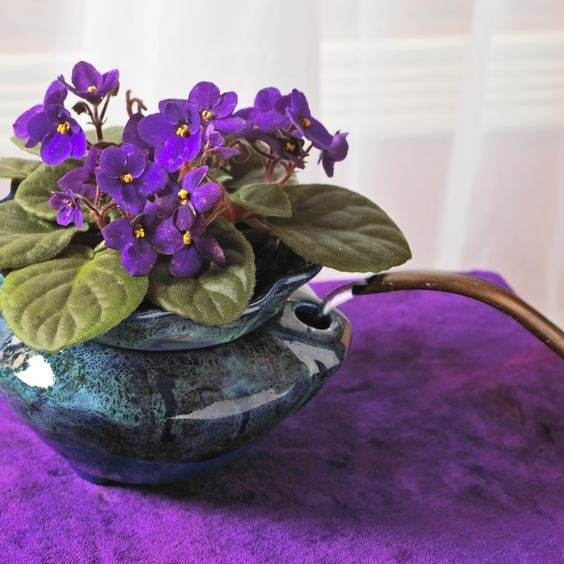
Keep the soil evenly moist but not soggy. The best method is bottom watering—place the pot in a shallow dish of water and allow the roots to absorb moisture gradually. Avoid getting water on the leaves, as this can cause spots or damage.
4. Ensure Proper Humidity
These plants prefer moderate to high humidity. You can increase humidity by placing a tray of water nearby, using a humidity tray, or running a humidifier in the room.
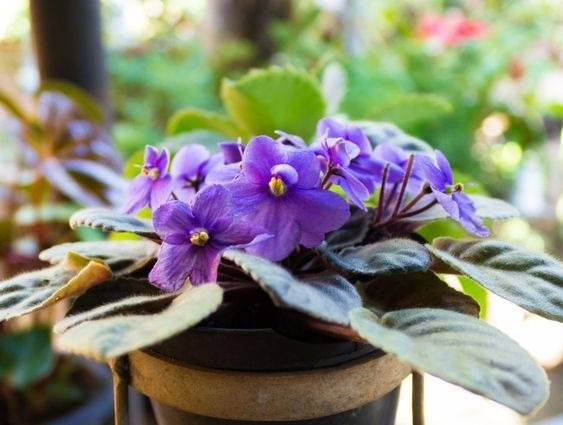
5. Use Well-Draining Soil
A lightweight, well-draining potting mix designed for African violets is essential. Proper drainage prevents root rot and supports healthy root development.
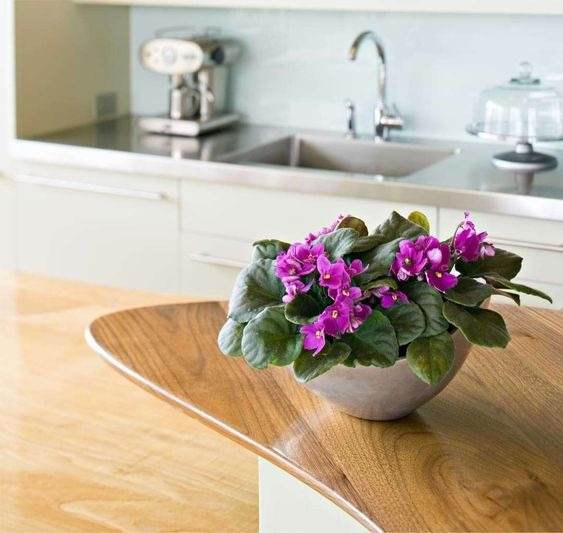
6. Fertilize Regularly
Feed your plants with a balanced, water-soluble fertilizer diluted to half strength every 4–6 weeks during the growing season. Reduce or stop fertilizing during winter when growth naturally slows.
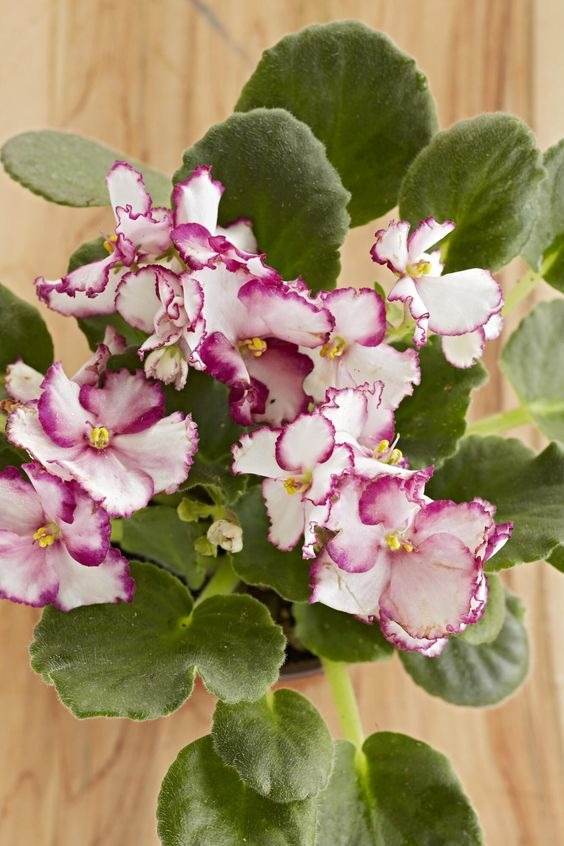
7. Prune and Remove Spent Blooms
Regularly remove faded flowers and damaged leaves. This encourages the plant to focus its energy on producing new blooms instead of maintaining old growth.
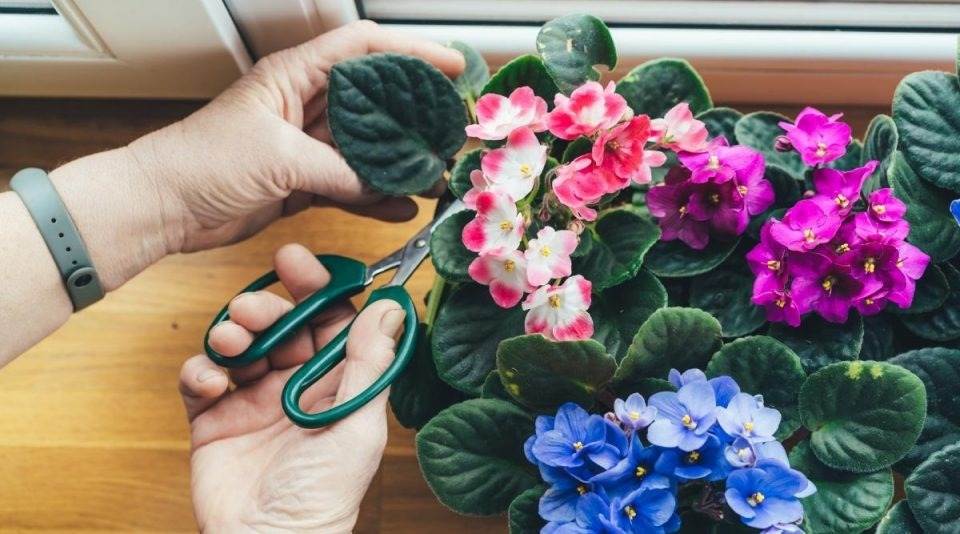
8. Keep Leaves Dry
Moisture on leaves can lead to fungal problems. If water accidentally splashes onto them, gently blot the leaves dry with a soft cloth or paper towel.
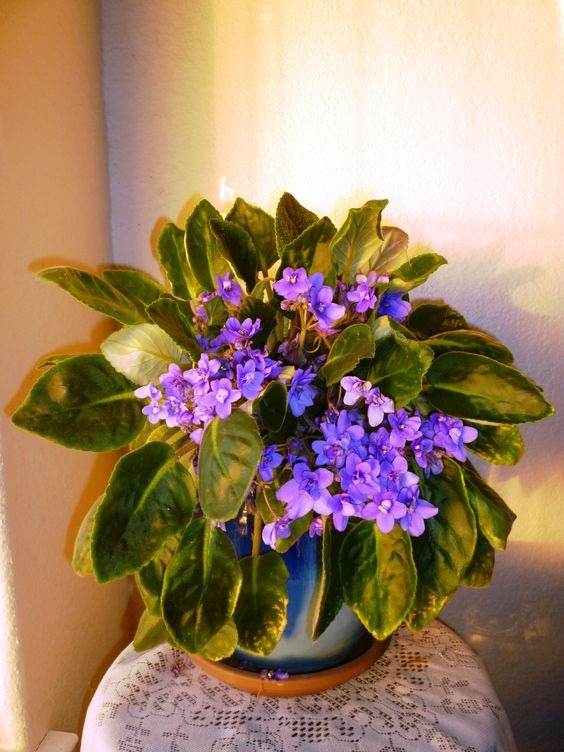
9. Allow Space for Growth
Give your plants enough room to grow without overcrowding. Proper spacing improves air circulation and reduces the risk of excess moisture buildup.
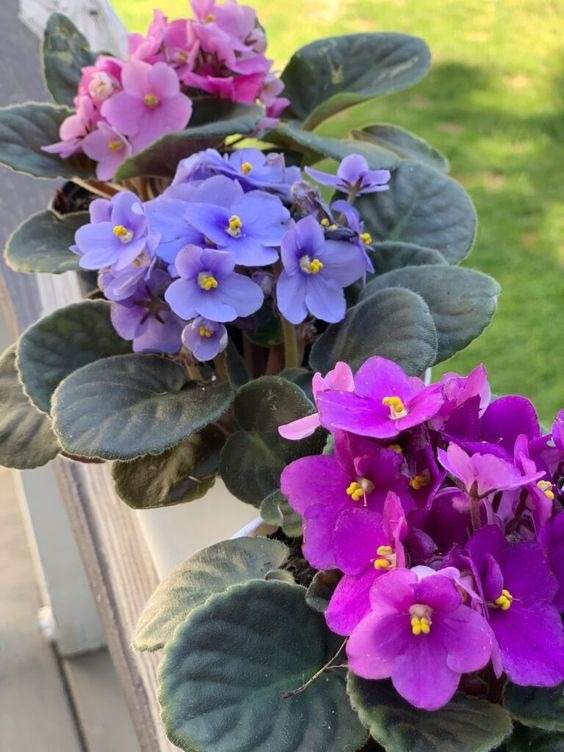
10. Watch for Pests
Inspect your plants regularly for pests such as aphids or mealybugs. If detected, treat them promptly using neem oil or insecticidal soap to prevent damage.
Conclusion
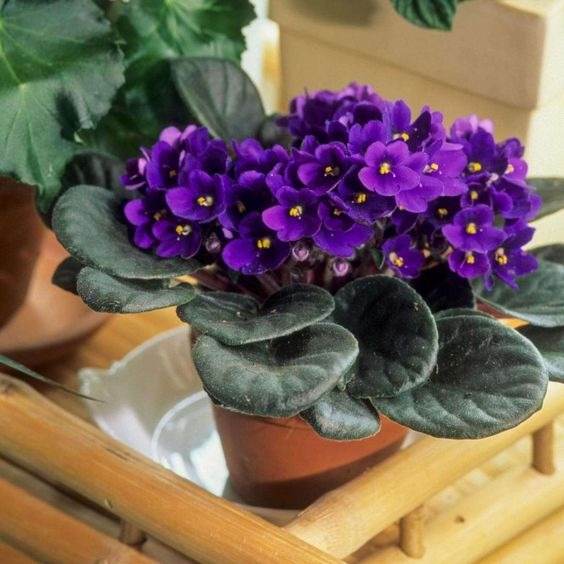
African violets are delightful houseplants that reward proper care with continuous, colorful blooms. By providing the right balance of light, water, temperature, humidity, and nutrients, you can enjoy their beauty throughout the year.
Stay attentive to their needs, address issues early, and your African violets will remain healthy, vibrant, and full of life.
